Amber Weinberg: Freelance Web Developer specializing in semantic WordPress, Mobile, CSS and HTML5 Development

The Blog

How To Start Your Freelance Business – And Not Fail

Posted on 03/18/10 in blog, business about , , , ,

I get at least one or two emails a day from web professionals who want to become freelancers. Their stories are touching, but their questions are always the same, “How do you start freelancing?”, “How do you find clients?”, “How do I get my name out there?”.

In today’s unstable work world, freelancing seems to be this big murky dark abyss for people used to working 9-5. The truth is however, freelancing isn’t scary, it’s just different. It kind of reminds me of people who use PCs, take one look at a Mac and freak out. Freelancing is the Mac of the full-time world.

I’ve written several freelance articles on how to find clients, how to set your rates and dealing with clients, but I’ve never really written a comprehensive how to, so I’d thought I’d share my experiences with you. Everything I talk about here is stuff I really do in my own business and it’s worked well for me so far. :)

So how do we start freelancing?

Just Do It

how to start freelancing

The Nike slogan is spot on. The best way to start your freelance business is to start. Planning and preparation are great, but if you spend your whole life planning, you’ll never get to the doing part.

You can’t just sorta-kinda dip your toes into the freelancing pond. People who do that are the people who claim to have failed and have gone back to their cushy jobs. If you want to freelance you need to want to freelance and be prepared to spend 10-12 hours a day on it when you’re first starting up. If you’re not looking forward to that, you’ll fail.

I’ll be frank with you up front. You’ll never have enough money saved, it will never be the “right” time and you’ll never be really prepared. That being said, a little preparation can go a long way. However, if you’ve been planning or preparing for over a year now, it might be time to rethink your plan.

Freelancing is like anxiety. Anxiety is the fear of fear, which means there may or may not be a logical thing there to actually fear. Freelancing sounds scary, and there’s plenty of stories on the web from people who failed freelancing to reinforce your own fears of freelancing.

A personal story of mine

getting paidWhen I was first leaving the nest and heading to college I had a fear of being poor. My parents are upper middle class, so I was certainly used to some of the “luxuries” in life. I knew that the fact my parents had money, did not mean I would as an adult. So what did I do? Did I just stay at home and not venture out on my own?

Of course not. I realized that I could never be poor, because I never wanted to be poor. You might be wondering who actually wants to be poor, but unfortunately our society is filled with plenty of people who are just scraping by because they don’t try or care. They prefer their parents to care of them, the government to take care of them or a rich husband or wife to do it. They’re poor.

Of course, stuff happens. Our house burns down, we get robbed, the main provider in the family dies. But that doesn’t make you poor, that makes you temporarily broke. Poor is a state of mind. (Dave Ramsey once said this). The trick, is not to let these things bring you down and to keep trying. You know you’re not poor, therefor you’ll never really be poor. I might have had a year where I had to be frugal and live off sandwiches and sleep on a futon, but that was only a temporary situation because I made it so.

Freelancing is the same way. You can’t fail at freelancing, you just fail in your mindset. This may sound like a bunch of happy-thinking mumbo jumbo, but coming from someone (me) who actually has an anxiety problem, I can assure you this stuff works.

Finding Clients

finding clientsFinding clients, or the fear of not finding clients, is what stops most people from venturing into freelancing. Lucky for you, the world is filled with millions of potential clients, all looking for someone with your talent and skills. The trick, is figuring out how to find those lucky people.

  • Find your niche – Niche yourself into as small of an area as possible. While this sounds like you’re making your available client pool smaller (and you’ll also turn down work) this is actually good for business. I niched myself into XHTML, CSS and WordPress work for design agencies and freelancers only. Because this, work has exploded and I haven’t had a dry period of work yet. You can read the article I wrote when I did this.
  • Social media – I can’t stand social media and SEO experts, because most of what they say is either crap or the same thing that you’ve heard a million times already. So why do these people have such a large following? Because social media works. Grab an RSS feed through Twitter with your ideal search terms (like “Looking freelance designer, for example). Follow fan pages on Facebook and LinkedIn that are your idea clients.
  • Prepare for cold – Cold calling is annoying and a waste of time. No one wants to be interrupted with what they’re doing to listen to your marketing spew. Cold emailing, however, is a very effective way to gain clients. Do a Google search for your target clients and send them a short email explaining who you are, what you do, and how much you do it for.
  • Community – Start a blog and guest write on other blogs. The major SEO boost you’ll get from your own blog, as well as the traffic and exposure you’ll get from guest writing goes a long way to brining potential clients to your site, while positioning you as an expert in your community.
  • Service – Respond to emails in no more than 12 hours (unless on weekends of course). Always say thank you and let the potential client know you’re happy to have the opportunity to work for them.
  • Referrals and testimonials - Take care of happy clients and you can gain a lot of work from it. Read my article on what to do when your clients are satisfied.

Have a designated work space

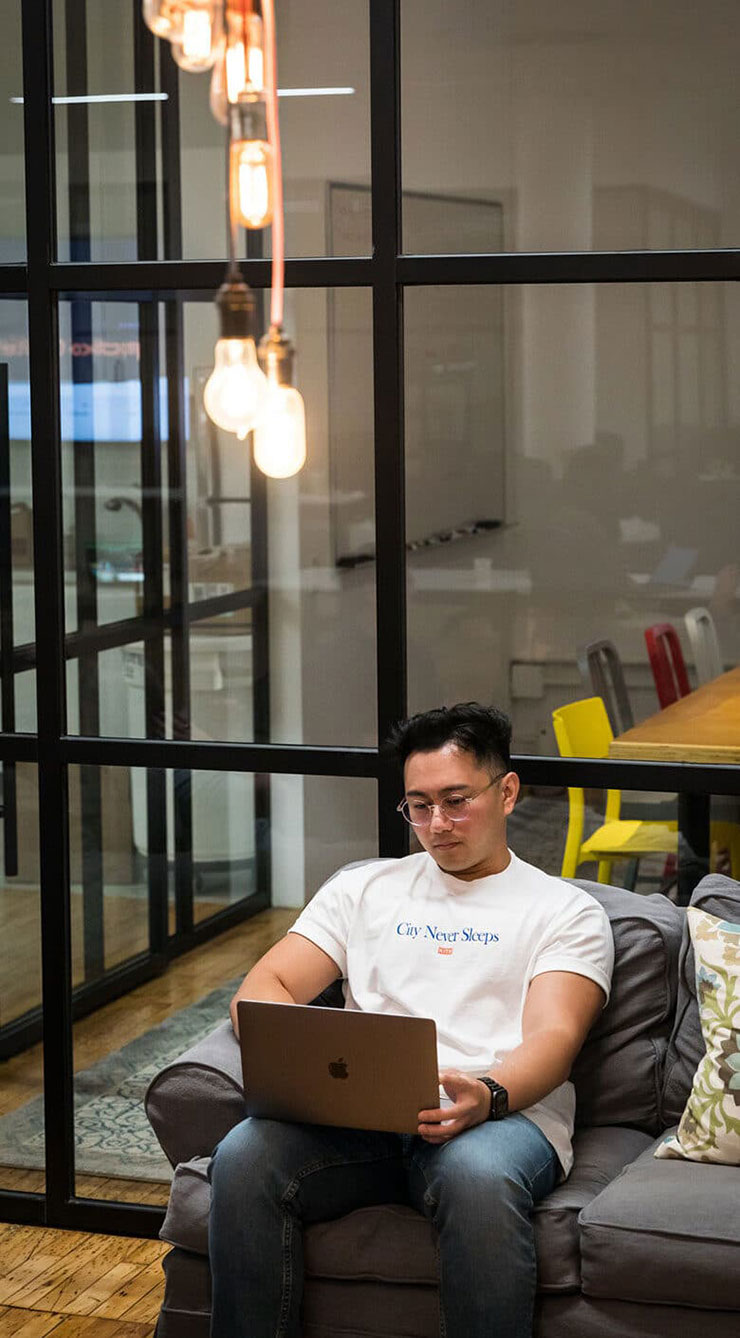
setting up your officeHave a real place you can set your office up at, and make sure it’s comfortable. If you live with someone else, make sure they know you’re working and don’t let them distract you until those hours are over. The dishes, laundry, wife, husband and kids can wait – just like they already do when you’re at your full-time job. These things can quickly and easily distract you from your work.

Questions?

Do you have any freelance questions? Please share in the comments and I’ll do my best to answer them!

Photos by vramak, aresauburn™, Joe Shlabotnik, mudpig

About the author
Amber Weinberg specializes in clean and semantic XHTML, CSS and WordPress development. She has over 10 years of coding experience and is pretty cool to work with. Amber is available for freelance work, so why not hire her for your next project?

21 Awesome Comments

  1. Wonderful post !

    “Have a designed workplace”, I AGREE THIS STRONGLY.

  2. Hi Amber,
    nice post, well written and very personal.
    I completely agree with you saying “just do it” and “it will never be the right time”, but I would advice the beginners to get the 100% support of their families (or partners) before they enter the freelance world. It’s tough at the beginning and your family could have a big role just understanding your choice (and your needs): you’re doing a real work even though you are at home!

    • Right, but sometimes you still have to just do it and having money coming in before they understand what you’re doing. Heck, my parents don’t understand what I do whether I had a full-time job or not, but as a freelancer they’re still surprised i’m paying my bills LOL parents…gotta love them!

  3. Working from home can be a bit of a balancing act. Getting rid of distractions is can be a big hurdle, since there are things like the TV, pets, a spouse, etc. to add to the normal distractions that you would otherwise have in a workplace.

    The benefits can be great, however. My wife, who commutes 30 minutes to and from work every day, is often envious that all I need to do is wake up, make coffee, commute through the living room to the office and go to work.

    • That’s why it’s good to have a dedicated office. There, I can close the door and there’s nothing in my office but my work stuff..and my handy secretaries (a Bichon and a Dauschund ;) )

  4. Aviva says:

    Great advice! I’m planning to take the freelance plunge in a few months, and this is a very reassuring and inspiring post. :)

  5. Kristina says:

    I’m working toward this same goal, and you’ve hit some great points, Amber… especially about finding your niche. That way it will be much easier to define your market and prepare the correct communications to penetrate it!

  6. Keith D says:

    Inspirational, Amber – great post.

  7. Another great post Amber! Thanks for sharing your insight. You make some really valid points. I like your Mac/PC analogy!

  8. Susan says:

    My husband has been asking me to do some cold emailing for over a year now. I hesitate to do it because I’ve heard reasonable arguments as to why it’s a bad idea. How much success would you say you’ve had from cold emailing?

    • Like I said above, it was the best source of clients when I first started out, I don’t do it anymore because most clients come to me through the web now, but if business ever got slow, that’s the first thing I’d do.

  9. Daniel says:

    These are great points you make, Amber. I haven’t had to do any cold calling yet, but I might be starting to do that here in a little bit. I’m worried about emailing potential clients because I don’t want to be listed as a spammer, and most people enjoy my phone voice, so I’ll be giving it a go.

    How did you navigate the cold emailing without being listed as a spammer? Can you write a post about cold emailing?

    I think the responding to emails within 12 hours is a huge item not to be overlooked. It helps when you’re online 24/7 like me. Sometimes I have to wait to respond so I don’t look like I’m online all the time. But I am. I am.

  10. Alicia says:

    Cold Emailing. No problem there, but the clientele I’d like to get are local companies/businesses that don’t have a web presence, what would be your advice for that? I don’t want to cold call as you said, but unsolicited mail can get you in trouble too. I live in a small town but with a lot of mom and pop stores and various other places that should have a website (like a preschool *sighs*) but don’t.

    • Susan says:

      I’m in the same boat in that most of the businesses I want to target don’t have a website.

      Also, I’m unsure of how to prevent being labeled as a spammer while cold emailing. That’s one of the things that has held me back…

    • If you’re in a small town then it should be easy for you to sell to them. If they know you, even easier, but if not, just walk into the store and be like, “Hey I live down the street and I love this store and wanted to buy some products but noticed you didn’t have a website…” etc etc I’ve never been good at face to face stuff myself, which is why I target agency clients not around here :)

  11. saqib says:

    Very nice article and really serving the purpose it is written for.

    I believe “Community” should come immediately after finding your niche. It is really important to build your community using your own blog, guest writing for other famous blogs, using Twitter, Facebook, LinkedIn and other social networking tools.

    For people who are in planning phase I think starting their blog immediately would be a wise move.

Leave a Reply